
LLMs
AI-Powered Bureaucracy Assistant
The complex terminology encountered during official procedures, varying requirements across different institutions, and the risk of missing documentation can lead to a significant loss of time for citizens. An AI-powered bureaucratic assistant can be designed as a decision support system that understands the user's intended transaction in everyday language, explains the required documents, outlines the application steps, and simplifies official texts. This study addresses how such a system can facilitate communication between citizens and public services, reduce bureaucratic errors, and make digital public services more accessible.

Ethics
Artificial Intelligence in Job Interviews: Speed or the Human Touch?
Digital transformation is reshaping not only the production and service processes of companies, but also their human resources practices. Artificial intelligence systems, particularly those utilized in recruitment, support HR professionals at various stages, including screening resumes, categorizing candidates, conducting online interviews, and analyzing interview outcomes.
LLMs
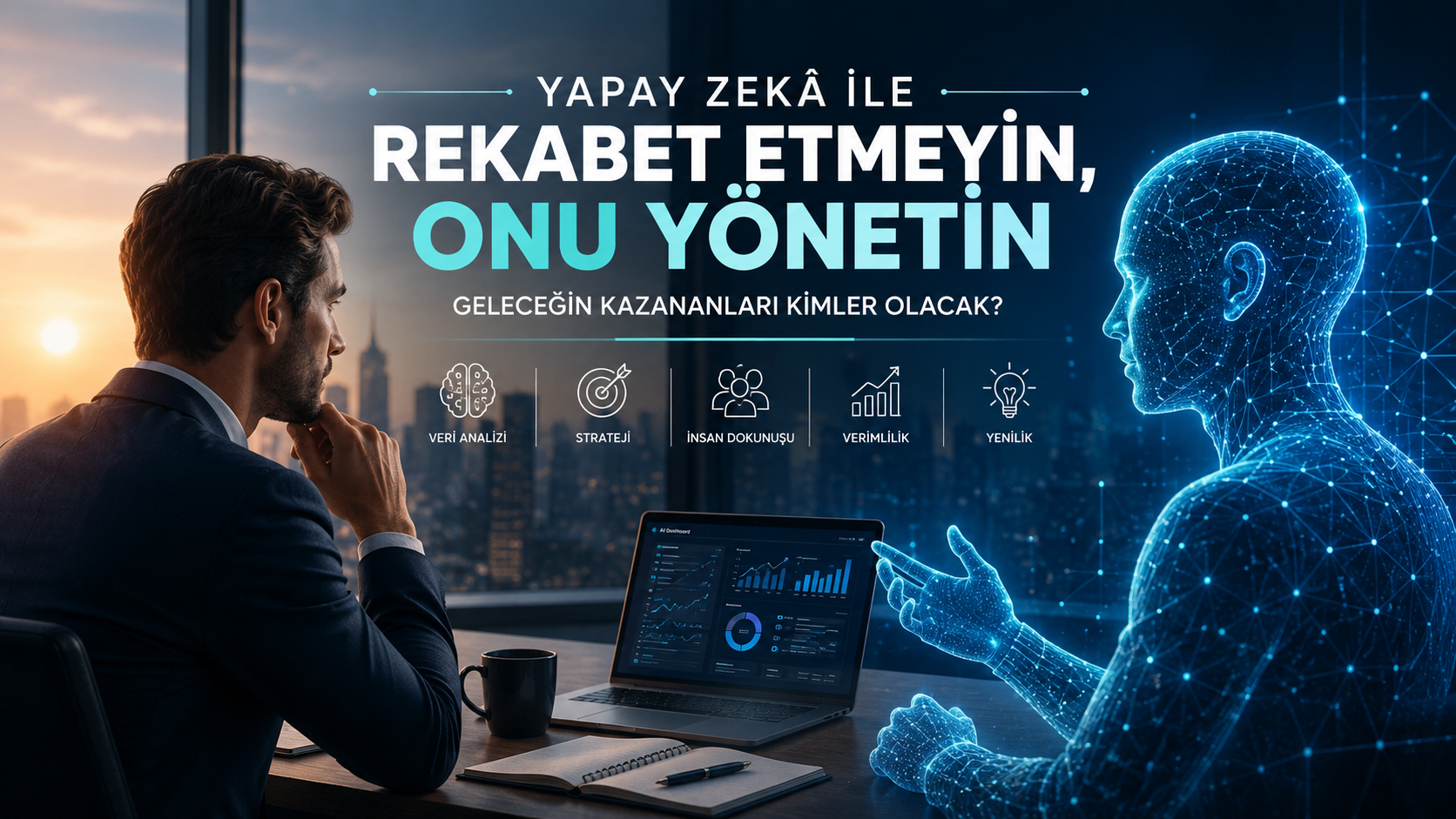
Yapay Zekâ ile Rekabet Etmeyin, Onu Yönetin: Geleceğin Kazananları Kimler Olacak?
Yapay zekâ artık geleceğin değil, bugünün en önemli teknolojik dönüşümlerinden biri hâline geldi. Birçok kişi yapay zekânın insanların yerini alacağını düşünürken, asıl rekabetin insan ile yapay zekâ arasında değil, yapay zekâyı etkili kullananlarla kullanmayanlar arasında yaşandığı görülmektedir. Bu makalede, yapay zekâ çağında başarılı olmanın temel dinamikleri ele alınmakta; bireylerin ve işletmelerin bu teknolojiyi nasıl stratejik bir avantaja dönüştürebileceği değerlendirilmektedir.
Ethics
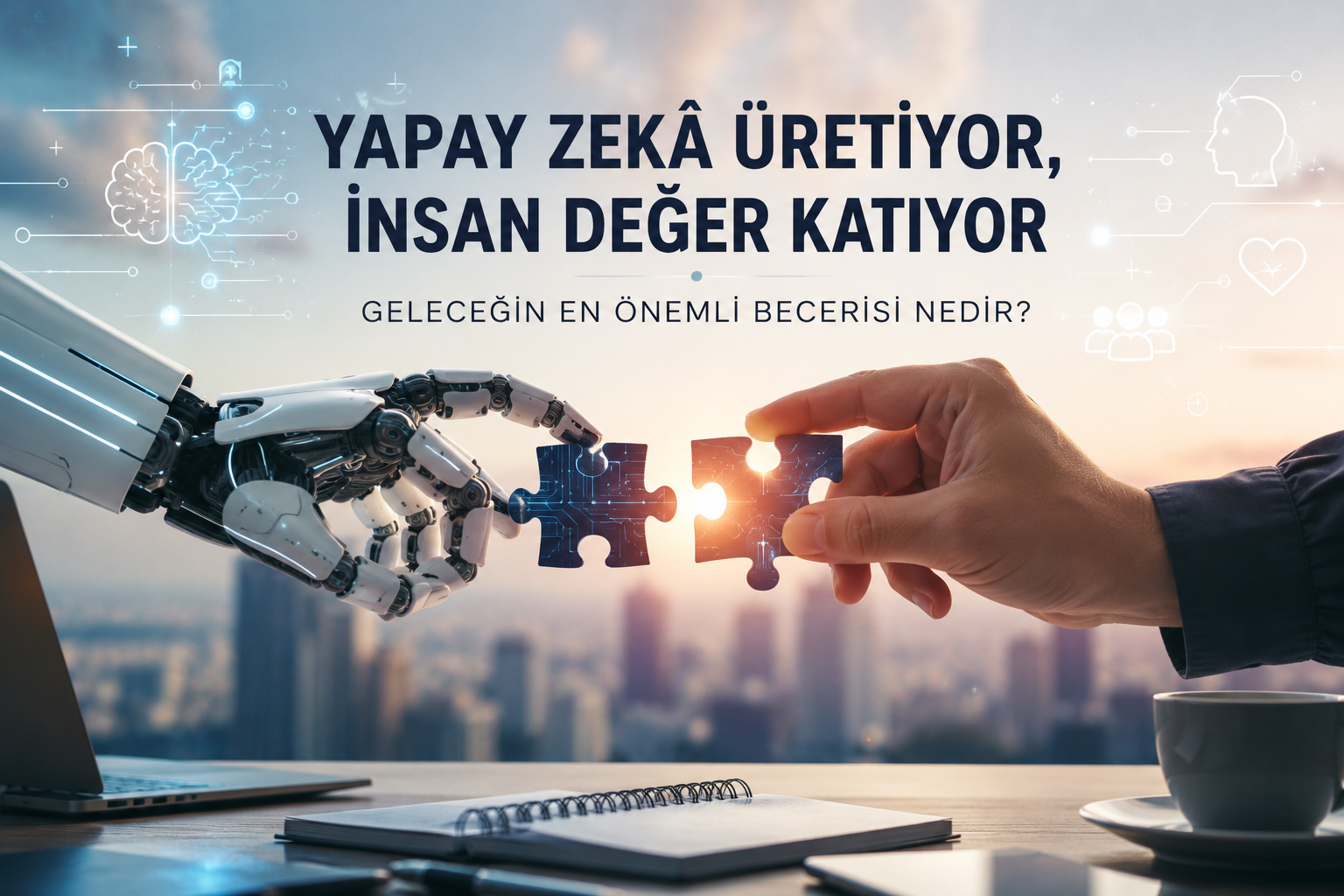
Yapay Zekâ Üretiyor, İnsan Değer Katıyor: Geleceğin En Önemli Becerisi Nedir?
Yapay zekâ, yalnızca teknolojiyi değil, çalışma biçimlerimizi, öğrenme alışkanlıklarımızı ve üretim süreçlerimizi de köklü bir şekilde dönüştürüyor. Artık birçok görev saniyeler içinde otomatik olarak gerçekleştirilebiliyor; metin yazımı, veri analizi, görsel üretimi ve yazılım geliştirme gibi alanlarda yapay zekâ önemli bir destek sunuyor. Ancak bu dönüşüm, insanın önemini azaltmak yerine yeni bir gerçeği ortaya koyuyor: Gelecekte fark yaratan unsur, yapay zekânın ne kadar üretebildiği değil, insanın bu üretime ne kadar anlam, yön ve değer katabildiği olacak. Bu makalede, yapay zekâ çağında öne çıkacak insan becerileri, iş dünyasının dönüşümü ve bireylerin bu yeni döneme nasıl hazırlanması gerektiği ele alınmaktadır.
LLMs
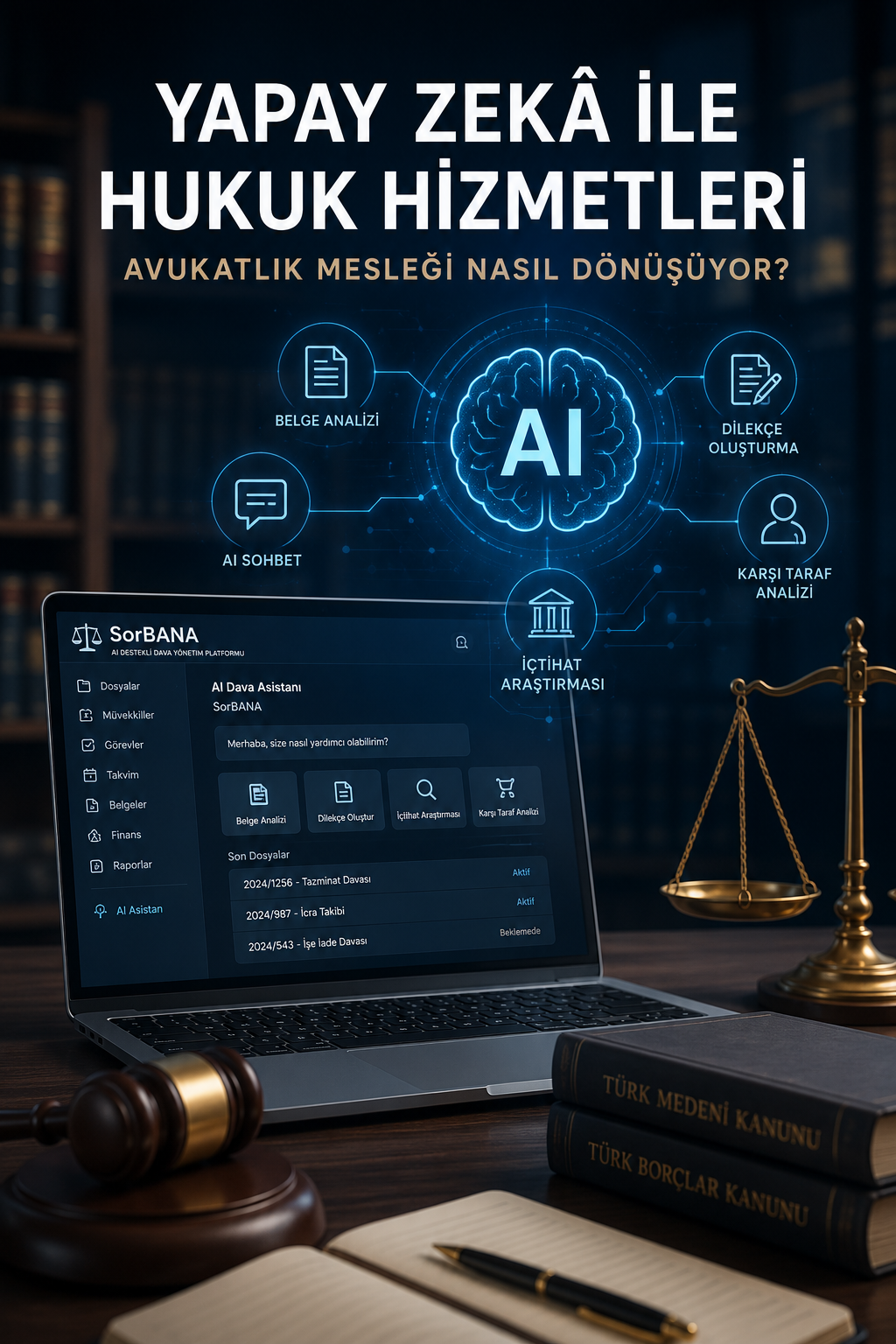
Legal Services with Artificial Intelligence: How the Legal Profession is Transforming
With the acceleration of digitalization, artificial intelligence technologies have initiated a significant transformation within the legal sector. Today, artificial intelligence enhances workflow efficiency by supporting lawyers in numerous areas such as document analysis, case management, legal research, drafting pleadings, and data analysis. Rather than replacing lawyers, these advancements enable them to dedicate their time to more strategic legal evaluations. This article discusses the impact of artificial intelligence on legal services, the changes it brings to the legal profession, and the contributions of technology to legal practice through the example of SorBANA, an AI-powered case management platform developed in Turkey.
**Keywords:** Artificial intelligence, legal technologies, LegalTech, legal profession, case management, document analysis, SorBANA.
Ethics
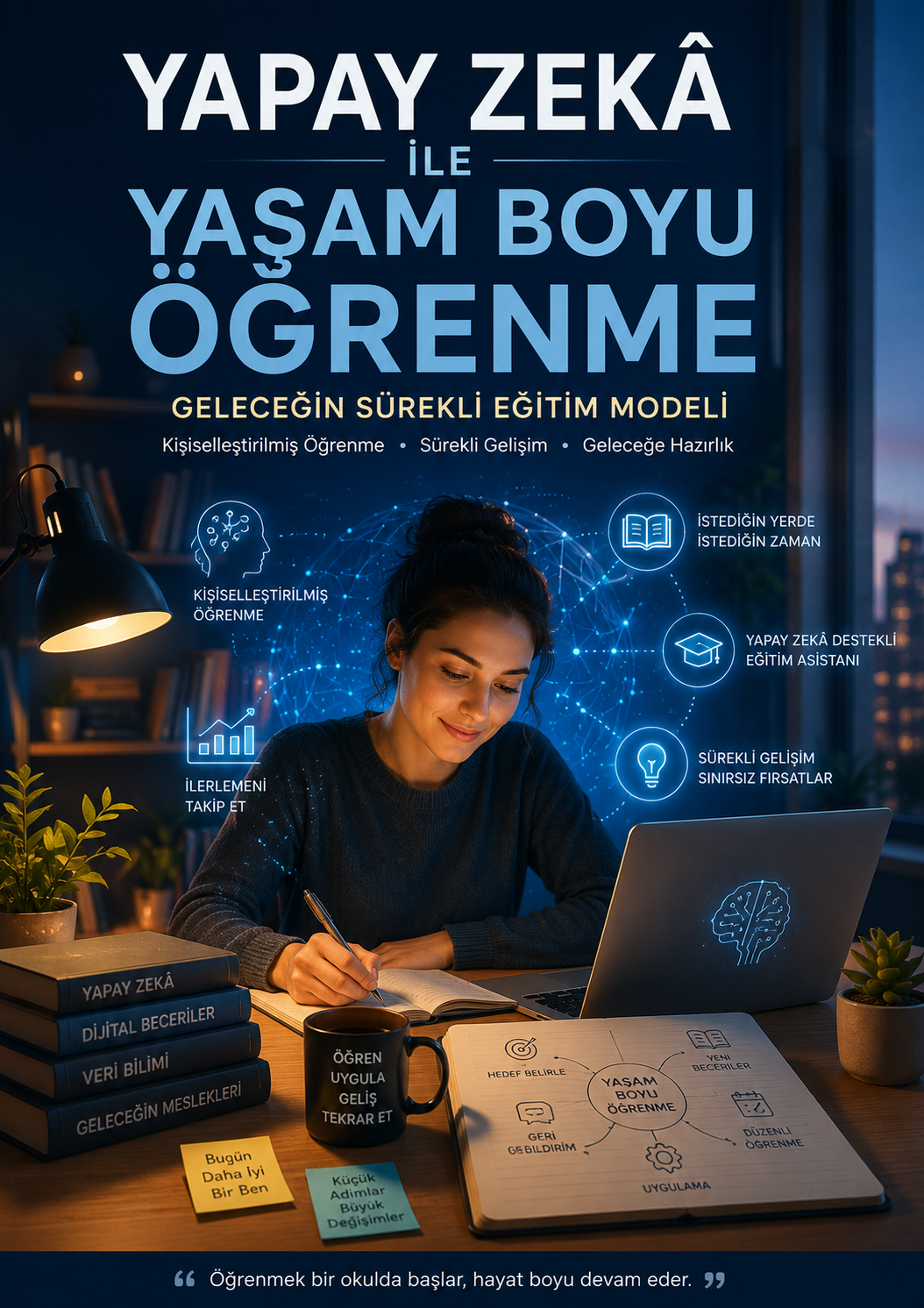
Lifelong Learning with Artificial Intelligence: The Continuous Education Model of the Future
In today's rapidly evolving world of knowledge and technology, it is becoming increasingly difficult for individuals to sustain their professional lives solely with the knowledge acquired during their school years. The changing business landscape, emerging technologies, and the constantly evolving knowledge ecosystem have transformed lifelong learning from a mere preference into an absolute necessity for individuals. In this transformation, artificial intelligence stands out as a key technology that personalizes learning processes, facilitates access to information, and offers educational experiences tailored to individual needs. AI-powered learning systems can analyze individuals' knowledge levels to identify knowledge gaps, deliver content tailored to their learning pace, and make the educational process more efficient by providing continuous feedback. This article discusses the concept of lifelong learning, the contributions of artificial intelligence to educational processes, personalized learning models, ethical considerations, and its role in the future of education.
Ethics
AI-Powered Parenting: Next-Generation Support Offered by Technology to Parents
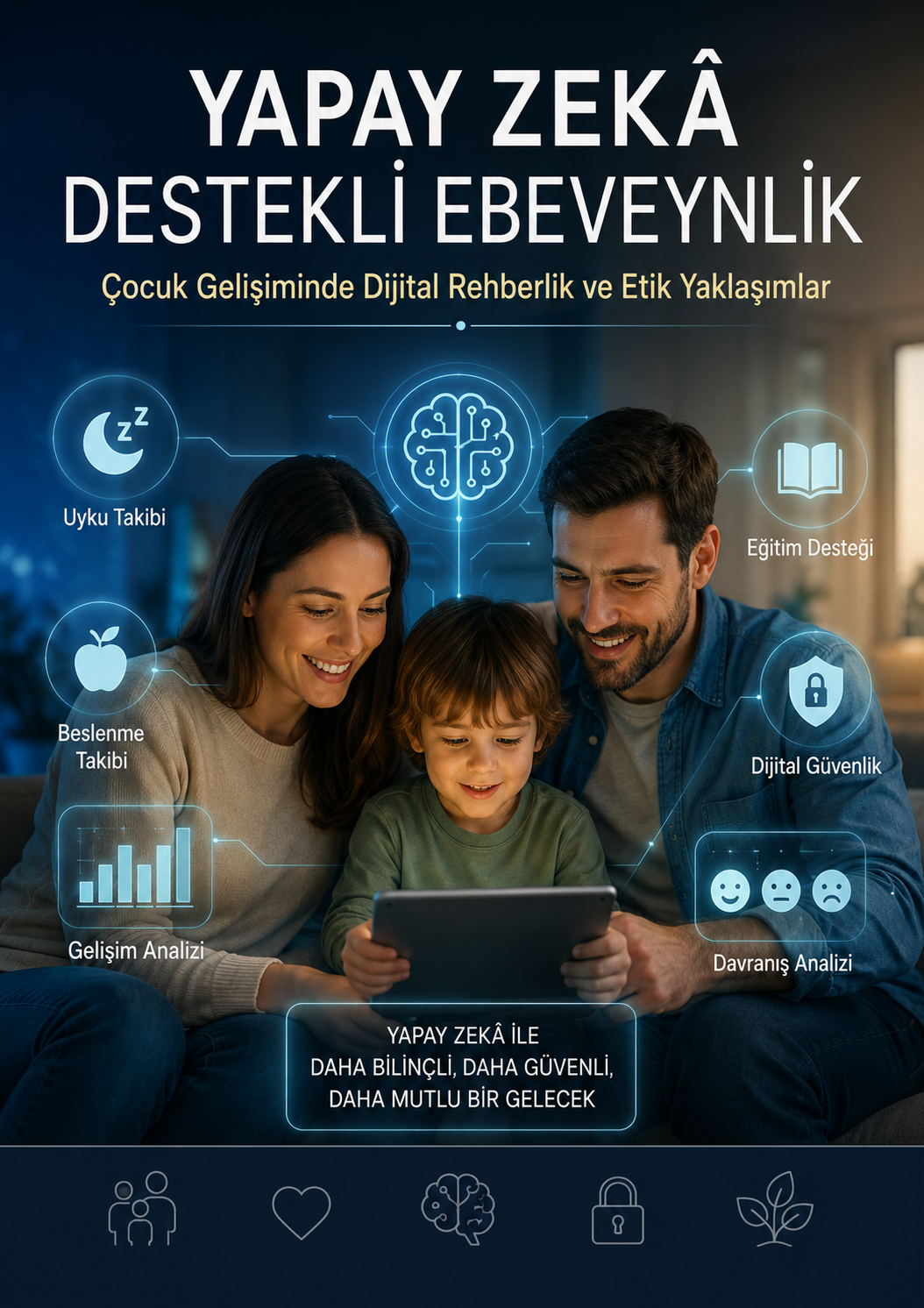
While artificial intelligence technologies have driven significant transformations in various fields such as healthcare, education, finance, and law in recent years, they have also begun to exert an influence on family life and parenting processes. Today, parents do not merely meet their children's basic needs; they also assume multifaceted responsibilities, such as closely monitoring their physical, cognitive, emotional, and social development, ensuring their safe upbringing in the digital world, and preparing them for the future in the best possible way. At this juncture, AI-powered applications emerge as vital technological tools that facilitate parents' decision-making processes, enable more systematic tracking of child development, and offer personalized recommendations. This article addresses the concept of AI-assisted parenting, evaluating the contributions of artificial intelligence to child development, education, healthcare, digital safety, and family life, while also examining ethical responsibilities and the future innovations these technologies may bring to family dynamics.
Architecture
Yapay Zekâ Destekli Kurumsal Bilgi Yaşlanması Analizi: Kurumsal Bilginin Güncelliğinin Değerlendirilmesine Yönelik Kavramsal Bir Model
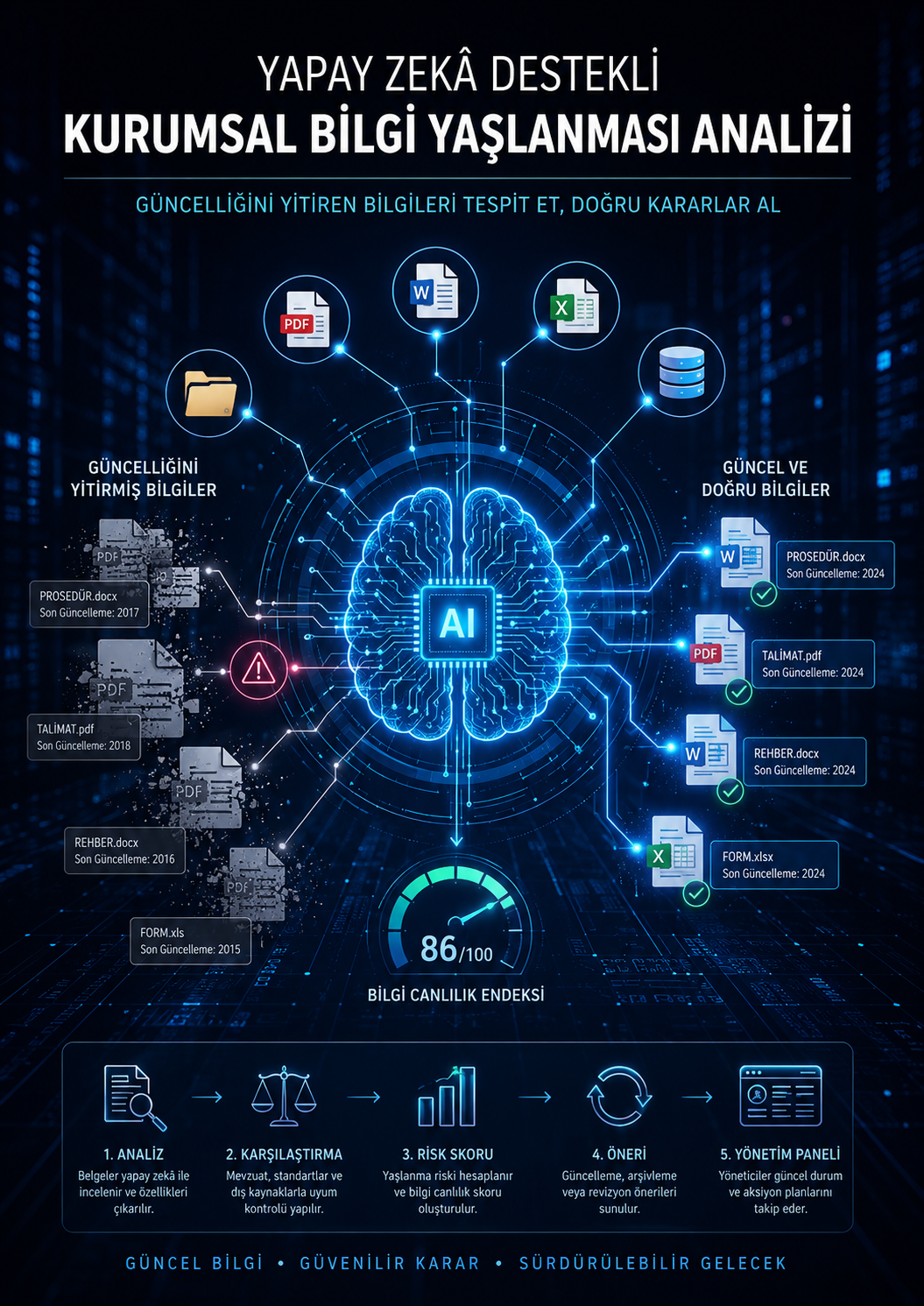
Dijital dönüşüm sürecinin hız kazanmasıyla birlikte kurumlar her gün büyük miktarda veri ve doküman üretmektedir. Ancak kurumsal bilgi yalnızca üretilen veya depolanan bir kaynak değil, aynı zamanda zaman içerisinde değişen yasal düzenlemeler, teknolojik gelişmeler, organizasyonel dönüşümler ve sektörel ihtiyaçlar doğrultusunda sürekli güncellenmesi gereken dinamik bir varlıktır. Güncelliğini yitirmiş bilgiye dayanılarak yürütülen süreçler, yanlış kararların alınmasına, operasyonel hatalara ve kurumsal verimliliğin azalmasına neden olabilmektedir. Buna rağmen günümüzde kullanılan bilgi yönetim sistemlerinin büyük bölümü belgelerin depolanmasına ve erişimine odaklanmakta, bilginin zaman içerisindeki geçerliliğini otomatik olarak değerlendirebilecek akıllı mekanizmalar sunmamaktadır.

Architecture
What is Reinforcement Learning?
Reinforcement learning is a machine learning approach where artificial intelligence learns to make optimal decisions through trial and error and reward signals. We explain how it works, its enterprise use cases, and its relationship with autonomous agents.

LLMs
What Are Small Language Models (SLMs)? A Business Guide
What are small language models (SLMs), how do they differ from LLMs, and when are they the right choice for business? Cost, speed, and privacy advantages plus real use cases.

Architecture
What Is Deep Learning? A Complete Guide to Neural Networks
What is deep learning, how does it differ from machine learning, and how do neural networks work? This complete guide covers CNNs, RNNs and Transformers, real business applications, and how to get started.

Operations
AI Claims Automation: From Accident Report to Settlement
AI automates the entire claims journey—from reading the accident report to image-based damage assessment and fraud detection—shrinking week-long files to minutes. An end-to-end guide with market data and practical steps for businesses.